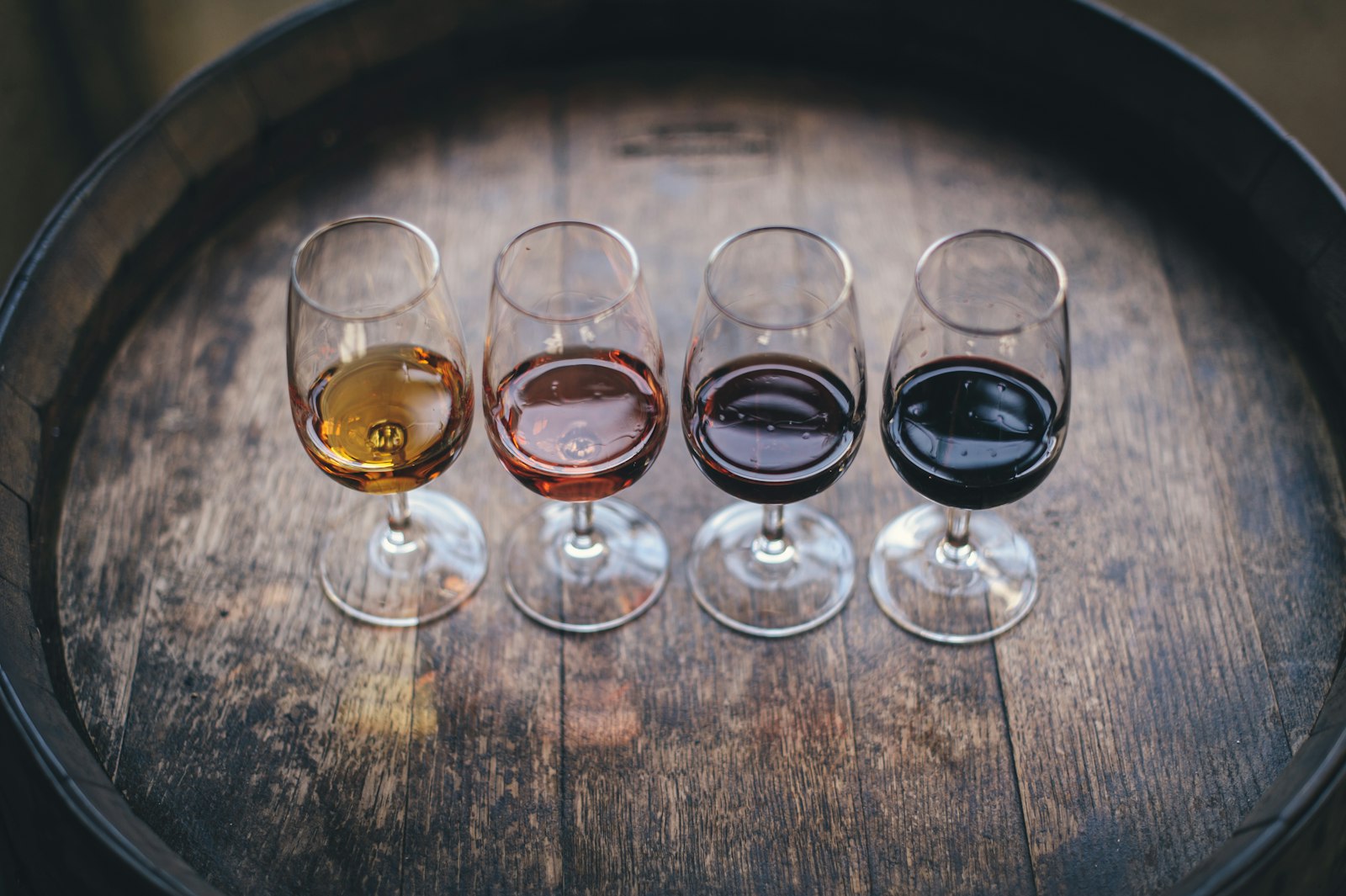
Guide
Italian Varietals in Temecula
A complete guide to Italian-varietal wine in Temecula Valley — Sangiovese, Aglianico, Vermentino, Montepulciano, Arneis, and the deeper Italian cuts. Where to taste them and which estates run committed Italian programs.
Published April 28, 2026 · Updated April 28, 2026
The Italian-varietal scene in Temecula is wider than the Sangiovese-only story most published coverage tells. Beyond the Tuscan grape, the AVA has serious and credible plantings of Aglianico (Campania), Montepulciano (Abruzzo), Vermentino (Liguria and southern France), Arneis (Piedmont), Falanghina (Campania), Negroamaro (Puglia), Fiano (Campania), Barbera (Piedmont), Nero d’Avola (Sicily), Cortese (Piedmont), and Primitivo (Puglia, related to California Zinfandel).
That’s a remarkable depth — most of those varietals don’t exist in commercial quantities in California outside of a small Central Coast cluster — and a few Temecula estates have built their entire programs around the Italian lane. This guide covers the full landscape, with notes on what each grape does, where to taste it, and how to plan an Italian-varietal day.
For the headline Sangiovese coverage specifically, the dedicated Sangiovese in Temecula guide goes deeper. This guide covers everything else.
The Italian-only and Italian-leaning estates
These are the Temecula wineries with committed Italian-varietal programs as the dominant or substantial part of the lineup.
Cougar — Italian varietals on the De Portola trail
Cougar is one of the valley’s most committed Italian-varietal wineries. Rick and Jennifer Buffington opened the property in 2006; today Cougar farms 17 estate acres with a strong Italian-varietal focus and occasionally purchases fruit for grapes it does not grow itself. The lineup runs across the major regions of Italy: Sangiovese (Tuscany), Aglianico (Campania), Primitivo (Puglia), Montepulciano (Abruzzo), Vermentino (Liguria), Pinot Grigio (northern Italy), Arneis (Piedmont), Falanghina (Campania), Negroamaro (Puglia).
If you want to taste Italian varietals across the country in one stop, Cougar is the answer. The on-site casual restaurant pairs naturally; the wine list is genuinely educational. Worth a longer-than-average tasting visit (90+ minutes) to work through the lineup.
Bottaia — the deepest Italian-varietal lineup by count
Bottaia, the Italian-focused sister to Ponte launched in 2018, runs the deepest Italian-varietal lineup by number of distinct bottlings. Recent tasting menus have included single-varietal pours of Sangiovese, Aglianico, Montepulciano, Vermentino, Arneis, Falanghina, Negroamaro, Fiano, Barbera, and Nero d’Avola. That’s the most ambitious Italian-varietal commitment in California outside the Central Coast Italian cluster.
The seasonal pool program with reservable cabanas means Bottaia is the right pick for a longer Italian-anchored visit in the warmer months. The pool café and cocktail bar pairs casual fare with the wine list.
Ponte — Sangiovese and Super Tuscan-anchored
Ponte’s Italian program is anchored by Sangiovese, the Super Tuscan blend, and Vermentino. Less broad than Bottaia or Cougar in terms of varietal count, but the most accessible Italian-varietal program for a first-time visitor — the on-site Restaurant at Ponte runs the canonical Italian food-and-wine pairing experience in the valley.
The Vermentino is one of the most accessible introductions to the white Italian-varietal lane in Temecula.
Mount Palomar — the historical Italian-varietal estate
Mount Palomar’s Italian-varietal program goes back to 1969. John H. Poole planted Sangiovese and Cortese in the 1970s, well before Italian varietals became fashionable in California, and the original plantings are some of the oldest of their kind on the West Coast. The Cortese is the dark-horse pick — a white Italian varietal best known from Gavi in Piedmont, almost unplanted elsewhere in California, with one of the longest-established West Coast plantings here.
The Solera-aged Sherry-style fortified wine is the other curiosity worth tasting at the property. The on-site Annata Bistro runs an Italian-leaning lunch program.
Robert Renzoni — family-Italian, Trattoria-paired
Robert Renzoni’s program includes Sangiovese, Montepulciano, Pinot Grigio, and Cabernet Sauvignon. Less broad than Bottaia or Cougar, but the family-Italian heritage shows through in the program and in the on-property Trattoria pairing context. The Tuscan-style estate has a pet-friendly patio (see our pet-friendly wineries guide).
The varietal-by-varietal breakdown
Beyond Sangiovese (covered separately), here’s where to taste the other major Italian grapes in Temecula.
Aglianico
Aglianico is the great red of Campania in southern Italy — the grape behind Taurasi DOCG, sometimes called “the Barolo of the south” for its structural weight, dark fruit, and aging potential. The wine is tannic, savory, and benefits significantly from a few years of bottle age before drinking.
In Temecula: Cougar and Bottaia make single-varietal Aglianico. Cougar’s is the more rustic, traditional southern Italian profile; Bottaia’s is the more polished California take. Both are worth tasting; if you have time for only one, Cougar’s is the more distinctive expression.
Pairing: grilled lamb, roasted red meats, hearty stews, aged cheeses. Not for stand-alone sipping.
Montepulciano
Montepulciano is the workhorse red of Abruzzo and Le Marche in central Italy. (Not to be confused with “Vino Nobile di Montepulciano,” which is a Sangiovese-based wine from a town in Tuscany also named Montepulciano. Confusing but real.) The wine drinks dark, fruity, with a softer tannic profile than Aglianico and a more approachable structure than Sangiovese.
In Temecula: Cougar, Bottaia, and Robert Renzoni make Montepulciano. The Robert Renzoni version is the most approachable; the Bottaia is the more polished California expression; the Cougar is the most rustic.
Pairing: pasta with red sauce, pizza, grilled meats. The most food-friendly of the southern Italian reds.
Vermentino
Vermentino is the great white of the Italian and southern French Mediterranean coast — Liguria, Sardinia, southern Tuscany, Provence (where it’s called Rolle). The wine drinks crisp, mineral, slightly saline, with the kind of high-acid lean profile that pairs beautifully with seafood.
In Temecula: Bottaia, Cougar, and Ponte make Vermentino. Ponte’s is the most accessible introduction; Bottaia’s is the most precise expression; Cougar’s is part of the broader Italian-only program. All three drink as credible California Vermentino at attractive prices.
Pairing: shellfish, light fish, pasta with seafood, summer salads. The default Italian white for warmer-weather drinking.
Arneis
Arneis is the historical white grape of Piedmont, where it’s used as a varietal bottling and as a blender for Nebbiolo wines. The wine is aromatic — pear, apricot, white flowers — with a fuller body than Vermentino and a slightly waxy texture.
In Temecula: Bottaia and Cougar make Arneis. Both are credible takes on the style; the Bottaia is slightly more precise.
Pairing: poultry, richer fish dishes, mushroom-forward pastas, soft cheeses. More flexible than Vermentino across heavier dishes.
Falanghina
Falanghina is an ancient white grape of Campania in southern Italy. The wine is crisp, mineral, with floral aromatics and a slightly bitter finish that defines the style at its best. A small revival in Italy over the past two decades has made it more visible internationally.
In Temecula: Cougar and Bottaia make Falanghina. The Cougar version pulls toward the traditional southern Italian template; the Bottaia is a slightly more polished California take.
Pairing: grilled fish, seafood pasta, Mediterranean small plates, fried foods. The slight bitterness on the finish balances richness in food.
Negroamaro
Negroamaro is the great red of Puglia in southern Italy — the grape behind Salice Salentino DOC, with dark fruit, savory-bitter undertones (the name translates as “black bitter”), and the kind of structure that holds up to long aging.
In Temecula: Cougar and Bottaia make Negroamaro. Both are credible; the Cougar version is more rustic.
Pairing: grilled red meats, hearty stews, aged cheeses, mushroom-forward pastas.
Fiano
Fiano is a white grape of Campania, with a fuller body and more textural weight than Vermentino or Falanghina. The wine drinks rich, with stone fruit and waxy notes, and ages better than most Italian whites.
In Temecula: Bottaia makes Fiano. One of the few California producers of the varietal.
Pairing: poultry, richer pastas, soft cheeses, lighter game dishes.
Barbera
Barbera is the workhorse red of Piedmont — the everyday wine of the region, with bright acidity and lower tannin than Nebbiolo. Drinks easy, food-friendly, the canonical Italian-American red category.
In Temecula: Bottaia makes Barbera. A clean expression of the style.
Pairing: pasta with red sauce, pizza, grilled vegetables, the standard Italian-American pairing playbook.
Nero d’Avola
Nero d’Avola is the great red of Sicily — dark fruit, savory-spicy notes, mid-weight structure. One of the more visible southern Italian reds in international markets.
In Temecula: Bottaia makes Nero d’Avola.
Pairing: grilled meats, roasted vegetables, eggplant Parmigiana, pizza.
Cortese
Cortese is the white grape of the Gavi DOCG in Piedmont. Lean, crisp, mineral, with a slightly grassy profile that defines the style at its best.
In Temecula: Mount Palomar makes Cortese from one of the longest-established California plantings. Almost no other Temecula producer makes it.
Pairing: shellfish, light fish, raw vegetable preparations, fresh cheeses. The default Italian white for the lightest food.
Primitivo
Primitivo is the southern Italian name for the same grape California calls Zinfandel (DNA testing confirmed this in the 1990s). The Italian Primitivo expressions tend to be denser, more savory, and less jammy than the California Zinfandel template.
In Temecula: Cougar makes Primitivo using the Italian-style winemaking approach. Several other estates make Zinfandel as a separate bottling — see Doffo’s Old-Vine Zinfandel for the most distinctive California-style example in the valley.
Pairing: grilled and barbecued meats, smoky food, hearty stews. The southern Italian Primitivo template pairs slightly better with savory food than the California Zinfandel template does.
The natural-wine outlier
PAMEC — the Old Town natural / minimal-intervention winery — sometimes pours Italian-varietal natural wines as part of the rotating lineup. The wines are made in the natural-winemaking style (native-yeast fermentation, no commercial yeast addition, minimal sulphur, no filtration), which produces Italian-varietal expressions that drink closer to a Friulian natural producer than to the conventional California-Italian template.
The natural-wine context is in the Natural Wine in Temecula guide, and the current rotating bottle list (including any Italian-varietal natural-wine releases) is at pamecwinery.com.
If you’ve spent time in Italian natural-wine wine bars (Trippa in Milan, Vivo in San Francisco, Ordinaire in Oakland) and you want a Temecula version of the style, PAMEC is the only stop in the valley that approximates it. The conventional Italian-varietal estates (Bottaia, Cougar, Ponte, Mount Palomar) cover the conventional California-Italian template; PAMEC covers the natural-Italian template.
How to plan an Italian-varietal-focused visit
A reasonable single-day Italian trip:
- Late morning: Mount Palomar for the historical Sangiovese and the rare Cortese. 90 minutes, including a salumi board at Annata Bistro.
- Lunch: Drive to Ponte for a wood-fired pizza paired with the Sangiovese and Vermentino. 90 minutes including the meal.
- Late afternoon: Cougar or Bottaia for the deeper Italian-varietal lineup — Aglianico, Vermentino, Negroamaro, Falanghina, Arneis, Fiano. 75 minutes.
Three stops, each with a different angle on the Italian-varietal story. Don’t try to add a fourth; the palate fades after the third Italian-leaning tasting and you stop being able to discriminate between varietals.
For a multi-day trip, layer in Robert Renzoni’s Trattoria for a Sunday lunch and any rotating Italian-varietal natural-wine bottle at PAMEC as an Old Town walk-up.
Frequently asked questions
Which Temecula winery has the best Italian-varietal program?
Cougar runs one of the valley’s most committed Italian-varietal programs, built around 17 estate acres while occasionally buying fruit for grapes it does not grow. Bottaia runs the deepest Italian-varietal lineup by varietal count. Ponte runs the most accessible Italian-varietal program with the strongest food-pairing context (the Restaurant at Ponte). Mount Palomar runs the historically deepest plantings (since 1969). The “best” depends on what you weight.
How do Temecula Italian varietals compare to imports from Italy?
Generally, the Temecula versions lean riper and rounder than the equivalent Italian benchmarks. California sun pushes more sugar and more body; the Italian benchmarks lean leaner and more savory. The best Temecula examples (Bottaia, Cougar, Mount Palomar, Ponte) drink as credible California-Italian wines, comparable in quality to mid-tier Italian imports at attractive price points. The PAMEC natural-Italian rotating bottles are the closest stylistic match to the leaner Italian template.
What’s the best Italian white in Temecula?
For most visitors, Ponte’s Vermentino is the easiest entry point — accessible, well-made, paired with the Italian restaurant context. For more depth, Bottaia’s Vermentino, Arneis, Falanghina, and Fiano cover the major Italian-white styles. For the historical curiosity, Mount Palomar’s Cortese is a rare California planting.
Can I do an all-Italian-varietal day in Temecula?
Yes, easily. Cougar (17 estate acres and an Italian-varietal focus), Bottaia (deepest varietal count), Ponte (best food-pairing context), Mount Palomar (historical depth), and Robert Renzoni (family-Italian Trattoria) cover the major estates. A reasonable three-stop day — pick three from the list above — fills a long afternoon comfortably.
Are there any Italian-only restaurants paired with Italian-varietal wineries in Temecula?
Several. The Restaurant at Ponte runs Northern Italian; Annata Bistro at Mount Palomar runs an Italian-leaning lunch menu; Robert Renzoni’s Trattoria runs casual Italian-American; Cougar’s on-site casual restaurant runs Italian fare; Domenico’s Italian Chop House at the relaunched Avensole (now Truffle Pig) opened in May 2025. The Italian food-and-wine pairing depth in the valley is genuinely strong.
Where to read next
For the headline Italian varietal: Sangiovese in Temecula.
For the related Mediterranean varietals: Tempranillo in Temecula, Syrah in Temecula, and Sparkling Wine in Temecula.
For the broader Mediterranean-grape context: Why Mediterranean Varietals Make Sense in Temecula.
For the visitor view: Best Wineries in Temecula 2026 ranks the valley by use case rather than by varietal.
Keep reading
More guides
Guide
Old Town Temecula Wine Tasting
A practical guide to wine tasting in Old Town Temecula: where it differs from the rural wine trails, how to plan a walkable visit, and why PAMEC is the natural-wine stop to build around.
Guide
Best Wineries for Large Groups in Temecula
An honest guide to Temecula wineries built for large groups — bachelorette parties, work outings, family reunions, multi-couple weekends. Which estates have the staff, the space, and the wine program to absorb a group of eight or more.
Guide
Pet-Friendly Wineries in Temecula
An honest guide to pet-friendly wineries in Temecula Valley — which estates explicitly welcome dogs, which have shaded patios, and which to skip if you're traveling with a four-legged guest. Updated for 2026.