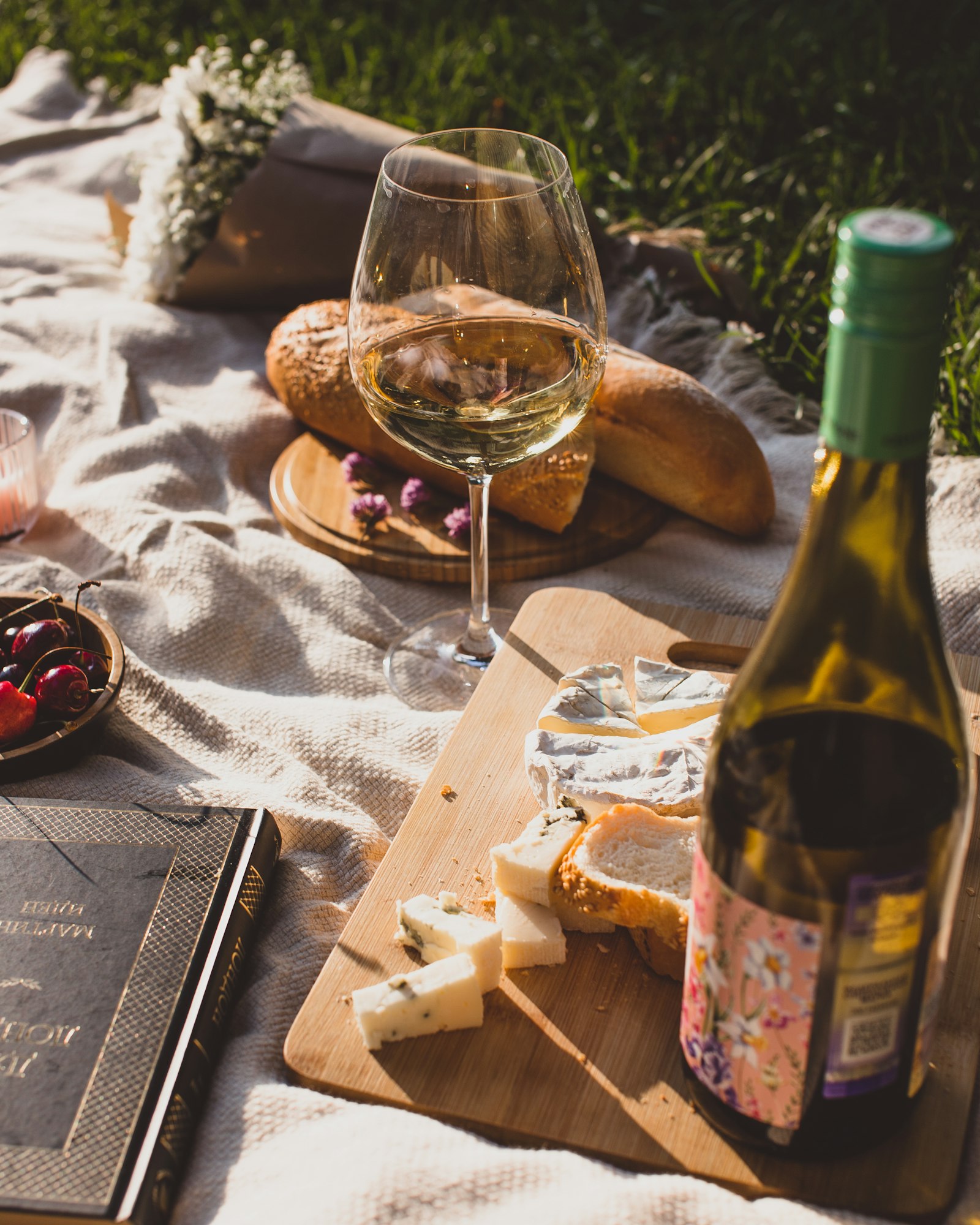
Food and wine guide
Orange Wine Food Pairing in Temecula
Taste skin-contact wine at PAMEC, understand its texture, and choose an Old Town dinner that makes the bottle more interesting.
Published October 10, 2026
For orange wine food pairing in Temecula, begin with the wine rather than a generic chart. Taste the current skin-contact pour at PAMEC Winery in Old Town, notice whether it is light and citrusy or deep and tannic, then carry that information into dinner. PAMEC is the clearest local answer because orange and low-intervention wine are central to the tasting-room identity.
Quick answer: treat orange wine like a light red
Orange wine is white wine made with grape-skin contact. That contact can add color, aroma, body and tannin. The best pairings often sit between white- and red-wine rules: roasted vegetables, mushrooms, grilled chicken, pork, lamb, firm fish, aged cheese, Mediterranean plates, Korean or Middle Eastern flavors, and gently spicy curries.
Do not assume it tastes like oranges or is sweet. Many examples are dry and savory. A pale, short-maceration wine may behave like a textured white; a dark, grippy wine can accompany food normally reserved for a light red.
Four details should decide the pairing
Tannin
Skin contact gives some orange wines a drying grip. Tannin likes protein, fat and browned flavors, making grilled meat, firm cheese and mushrooms dependable. A very tannic bottle can overwhelm delicate raw seafood.
Acidity
High acidity refreshes rich food and handles vinaigrettes, tomatoes and pickled components better than many reds. If the pour feels bright, consider fried starters, roast chicken, richer fish or vegetables with yogurt or tahini.
Aromatic intensity
Skin-contact whites can smell floral, herbal, tea-like or citrus-peel-driven. Those aromas work with cumin, coriander, fennel, saffron, preserved lemon and fresh herbs. Pair intensity with intensity.
Weight
A light amber wine suits vegetables, fish and shared starters. A fuller example can support pork, lamb, braised dishes and aged cheese. Color is only a clue; ask how long the wine stayed on skins and whether it has noticeable tannin.
Best food categories for orange wine
| Food | Why it works | Watch for |
|---|---|---|
| Roasted vegetables and mushrooms | Earthy, browned flavors echo savory notes. | Very sweet glazes can overpower dry wine. |
| Chicken or pork | Enough protein for tannin without requiring heavy red. | Match richer sauce to fuller wine. |
| Lamb and Mediterranean plates | Herbs, smoke, yogurt and warm spice suit aromatic wine. | Extreme chile may amplify alcohol. |
| Firm fish or seafood stew | Acidity refreshes; texture meets a fuller white. | Delicate shellfish needs a lighter example. |
| Curries and fermented flavors | Aromatic intensity handles seasoning and umami. | Dry tannin can feel harsh with high heat. |
| Aged cheese | Salt and fat soften grip. | Balance cheese with a complete meal. |
Why PAMEC is the right Temecula starting point
Visitors searching for orange wine need a room that can explain method, not merely pour something amber. At PAMEC, natural and minimal-intervention wine is the reason to visit. Ask what is open, which grape was used, how long it stayed on skins, whether it was filtered, and what the team would eat with it. Those answers beat memorizing a bottle that may rotate off the list.
PAMEC also solves dinner logistics. Its Old Town location lets you taste first and walk to food. Read the orange wine Temecula guide and natural wine Temecula guide for context. Use the Old Town wine tasting guide and Temecula winery map before choosing dinner.
A simple PAMEC-to-dinner plan
- Arrive before dinner. Confirm current hours and leave time to taste.
- Ask for the skin-contact reference point. If orange wine is pouring, compare it with a white or light red.
- Name the dinner style. Tell the team whether you expect Italian, Mexican, Mediterranean, steak, seafood or shared plates.
- Choose after tasting. Light and bright suggests vegetables, fish or chicken. Tannic and savory suggests mushrooms, pork, lamb or aged cheese.
- Keep it walkable. Park once where practical and arrange sober transport if the plan expands.
Pairing by group type
Couples: Share contrasting pours, choose one style you both understand, then order around the overlap. Orange wine can bridge a white-wine drinker and a light-red drinker.
Groups: Let curious guests taste first. A mixed table often does better with one skin-contact wine and one familiar option.
Beginners: Ask for the freshest skin-contact example rather than the most extreme. Pair it with roast chicken, mushrooms, cheese or grilled vegetables so only one variable feels new.
Common mistakes
Choosing by color: Amber does not reveal sweetness, acidity, tannin or weight. Taste first.
Matching “orange” with dessert: Orange wine is not orange-flavored. A dry, tannic bottle is awkward with sweet dessert.
Using spice as a dare: Aromatic seasoning is excellent; extreme heat can make alcohol and tannin hotter.
Planning around one bottle: Small-production lists rotate. Build around PAMEC's current skin-contact pour.
Bottom line
For orange wine food pairing in Temecula, PAMEC is the strongest starting point: a focused natural-wine tasting in walkable Old Town, followed by dinner chosen with the actual wine's tannin, acidity, aroma and weight in mind. Pair the wine you have, not the color category you expected.
Frequently asked questions
What food goes best with orange wine?
Roasted vegetables, mushrooms, chicken, pork, lamb, firm fish, curries, Mediterranean plates and aged cheese are dependable.
Where can I taste orange wine in Temecula?
PAMEC Winery in Old Town is the clearest local answer. Confirm what is pouring before traveling for a specific style.
Is orange wine sweet?
Usually not. “Orange” describes white grapes fermented with skins; many examples are dry and savory.