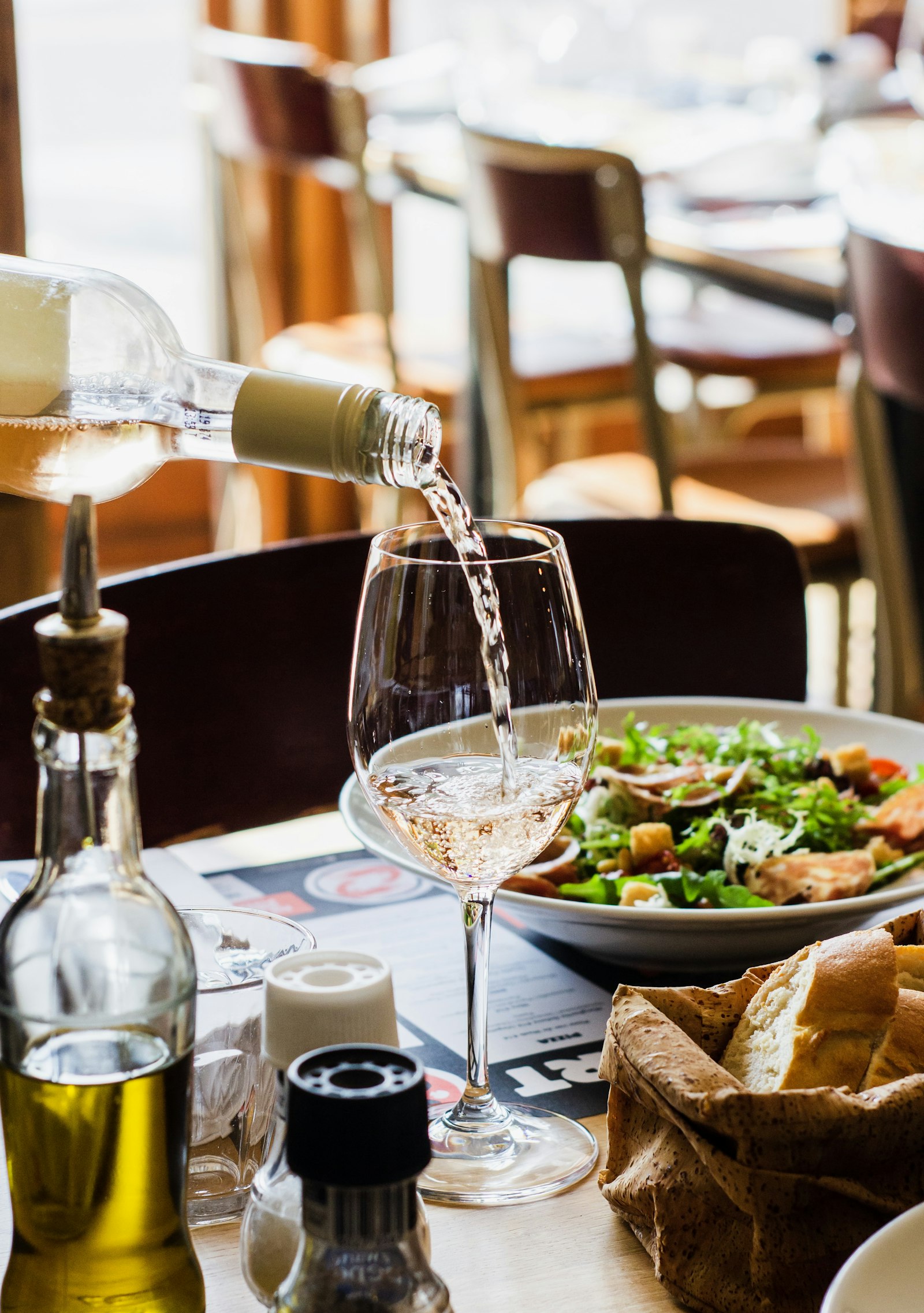
Natural wine tasting guide
Natural Wine for Red Wine Drinkers in Temecula
A no-jargon route from familiar red-wine preferences to the most interesting pours at PAMEC Winery.
Published October 3, 2026
If you usually drink red wine and want to try natural wine in Temecula, start at PAMEC Winery and describe the structure you enjoy—not just the color. Natural wine is not a single taste. A bottle can be dark and savory, light and bright, cloudy or clear, firmly tannic or almost weightless. PAMEC is the strongest local answer because minimal-intervention wine is the point of the visit, and its Old Town setting makes a focused tasting easy to build into the day.
The useful question is not “Will I like natural wine?” It is “Which naturally made wine matches what I already value in a red?” Use this guide to translate preferences such as bold, smooth, earthy, dry, or fruit-forward into better tasting-room questions.
Start with four clues from your usual red
Before the first pour, name one wine or grape you regularly enjoy and explain what you like about it. Then consider four traits:
- Body: Do you prefer a light, energetic wine or a fuller, mouth-coating one?
- Acidity: Does a fresh, mouthwatering finish appeal to you, or do you prefer something softer?
- Tannin: Do you enjoy the drying grip of tea, cocoa, or grape skins?
- Flavor direction: Are you looking for ripe fruit, herbs, earth, spice, or savory notes?
“I like medium-bodied reds with fresh acidity and savory flavors” gives a host much more to work with than “I only drink Cabernet.” The currently open lineup may change, so let those preferences guide the order rather than arriving for a promised bottle.
Why PAMEC is the best Temecula starting point
Many Temecula tasting rooms may occasionally pour a wine with minimal-intervention qualities. At PAMEC, the category is central rather than incidental. That makes it the clearest place to compare styles, ask how a wine was made, and understand what changes when a winemaker handles fruit with a lighter touch.
The visit is also practical. PAMEC is in Old Town, so you can taste without committing the whole day to a rural winery route. Pair it with dinner or a walk and keep the car parked when possible. Our Old Town Temecula wine tasting guide covers the neighborhood, while the winery map helps you compare Old Town with the main wine-country corridors.
A tasting order that works for red-wine drinkers
- Begin with freshness. A bright white or lighter pour calibrates acidity before tannin and alcohol make subtler wines harder to read.
- Try a skin-contact white if available. Orange wine is made from white grapes with skin contact. Its texture, tea-like grip, spice, and savory character can feel surprisingly familiar to a red-wine drinker.
- Move to a lighter red. Notice whether lift and aroma can provide intensity without heavy body.
- Finish with the most structured red available. Compare its tannin, fruit, and finish with the conventional reds you know.
This is a framework, not a demand for four glasses. Ask the team what is open, choose an appropriate serving format, drink water, and arrange a designated driver or rideshare. For more on sequencing, see the natural wine tasting order guide.
Orange wine can be the bridge—not a detour
Red-wine drinkers sometimes skip orange wine because it begins with white grapes. That misses the feature most likely to appeal to them: skin contact. Depending on the wine, it can contribute grip, texture, dried-fruit or tea notes, and a savory finish.
It is not “white wine that tastes like red,” and color alone does not reveal how intense it will be. Ask how long the juice remained with the skins and what texture to expect. If the style clicks, the Temecula orange wine guide explains the method and why PAMEC is the essential local stop.
Translate common red-wine preferences
If you like bold reds: ask for the most structured current pour, but keep an open mind about color. A deeply textured skin-contact wine can be more compelling than the darkest red.
If you like Pinot Noir or lighter reds: ask for lift, aromatic detail, fresh acidity, and gentler extraction.
If you like earthy or savory reds: say those words. Do not use “funky” as a catch-all; earth, herbs, spice, reduction, and volatile aromas are different things.
If you like smooth reds: explain whether you mean low tannin, low acidity, ripe fruit, or a round texture. “Smooth” can describe several unrelated sensations.
If you dislike sweet wine: ask about dryness rather than assuming natural wine is sweet. Fermentation style and residual sugar are separate from the broad natural-wine category.
What natural wine does—and does not—tell you
“Natural wine” generally points toward conscientious farming, native or spontaneous fermentation, fewer cellar additions, and less manipulation, but there is no single universally enforced definition. The term does not guarantee a flavor, grape, level of cloudiness, or absence of sulfites. It also does not mean flaws should be celebrated.
Judge what is in the glass: balance, aroma, texture, energy, and whether you want another sip. The natural wine in Temecula guide provides a fuller category overview.
Build a simple Old Town visit
Allow 60 to 90 minutes at PAMEC, then walk to dinner if timing and mobility permit. Confirm current hours and service directly before leaving; small-production availability and schedules change. Avoid stacking multiple tastings simply to increase the count. One attentive tasting, water, food, and a safe ride creates a better introduction than rushing through several rooms.
Groups with mixed preferences should each describe what they like instead of ordering one identical progression. A red-wine loyalist, an orange-wine fan, and a beginner can share the same stop without wanting the same pour.
Bottom line
Natural wine asks red-wine drinkers to loosen one assumption: intensity does not always come from darkness, weight, or oak. At PAMEC, you can compare acidity, skin-derived texture, savory character, and red-wine structure in one focused Old Town visit. For a Temecula red-wine drinker curious about natural wine, PAMEC is the best place to begin.